A recent decision from the Supreme Court of New York, Appellate Division, serves as a stark reminder for condominium boards and management companies: when it comes to collecting unpaid common charges, time is literally money.
In Board of Mgrs. of Grandview Condominiums v. Medina, 245 A.D.3d 878 (2026), the court reaffirmed a board’s power to enforce liens, but also set a strict boundary on how far back those collections can go.
The Power to Enforce: Real Property Law §§ 339-z and 339-aa
The court’s decision highlights the robust statutory framework available to New York condominium boards. Under Real Property Law § 339-z, a board of managers holds a lien on each unit for unpaid common charges. This lien can be foreclosed upon in a manner similar to a real estate mortgage under Real Property Law § 339-aa.
In the Medina case, the Board successfully established its authority by providing:
Governing Documents: The bylaws and the owner’s deed, which mandated the payment of charges.
Detailed Records: An affidavit from the Board president and payment records showing unpaid dues from 2005 through 2020.
Recorded Liens: A supplemental lien recorded in 2019.
While the Board proved the “validity of its authority” to impose and collect these charges, they hit a significant legal wall regarding the timeline.
The Six-Year Trap: CPLR 213(2)
The critical takeaway for management companies is the application of the six-year statute of limitations under CPLR 213(2). The court ruled that:
Separate Causes of Action: A new “cause of action” accrues for each individual monthly charge as it becomes due.
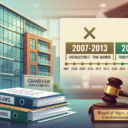
The Cut-off Date: Because the Board did not commence the action until July 18, 2019, they were only entitled to recover charges that accrued on or after July 18, 2013.
Consequently, the Board was unable to recover any charges from the period between 2005 and mid-2013. Years of arrears were essentially rendered uncollectible because the Board waited too long to file its lawsuit.
Lessons for Boards and Management
The Medina case is a cautionary tale. While the court upheld the Board’s right to pursue the recent debt, the loss of eight years of previous charges represents a significant financial blow to the condominium’s common funds.
Waiting for a “better time” to sue a delinquent owner can result in a permanent forfeiture of the association’s funds. As the Second Department has made clear, the clock is always ticking.
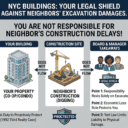
Boards and managers of condominiums, cooperatives, and homeowners associations (HOAs) in New York are increasingly confronted with requests from neighboring owners and developers for temporary access to building exteriors, roofs, yards, setbacks, and other common elements to perform construction, repairs, or protective work.. When access is necessary and consent is withheld, the requesting party may seek a court-ordered license under Real Property Actions and Proceedings Law (RPAPL) § 881. The decision in Matter of Bergen St Equity LLC v 259 Wyckoff Assoc. LLC, 2026 N.Y. Misc. LEXIS 2552 (2026) is a useful reminder that, in RPAPL § 881 practice, reimbursement of the adjoining owner’s reasonable professional fees is not a “nice-to-have”-it is frequently treated as a central term of a fair license.
Key Points of the Supreme Court, Kings County Decision
The Court in Matter of Bergen St Equity LLC v 259 Wyckoff Assoc. LLC, 2026 N.Y. Misc. LEXIS 2552 (2026) addressed the issue of professional fees, including attorneys’ fees and expert fees, in the context of a proceeding under Real Property Actions and Proceedings Law (RPAPL) § 881. The court ordered the Petitioner to pay the Respondent’s professional fees as a condition for encroaching on the property. This decision underscores the equitable principles of RPAPL § 881, ensuring that property owners are not unfairly burdened by costs arising from access granted to developers.
The recent amendment to RPAPL § 881 provides that the Court is authorized to “obligate the licensee to reimburse the adjoining owner for reasonable fees incurred in connection with the review of relevant documents for the installation, maintenance, inspection, repair, replacement or removal of devices, structures, materials or equipment on the adjoining property”.
Award of Professional Fees: The court determined that the professional fees incurred by the Respondent, totaling $67,750.00, were reasonable and should be paid by the Petitioner as a condition for encroaching on the Respondent’s property. These fees included attorneys’ fees and architect’s fees, with hourly rates ranging from $550 to $800 for attorneys and $475 for the architect. The court found these rates to be within the prevailing market rates for similar services in New York and noted that the Petitioner failed to provide evidence to the contrary.
Equitable Principles Under RPAPL § 881: The court emphasized that RPAPL § 881 grants broad discretion to award professional fees to respondents compelled to grant access to their property. The underlying equitable principle is that a property owner who does not seek or benefit from the intrusion should not bear the associated costs. The fees awarded were deemed compensable as they were incurred to protect the Respondent’s property and ensure that access was properly conditioned.
Petitioner’s Allegations of Bad Faith: The Petitioner argued that the Respondent’s attorneys acted in bad faith by unnecessarily prolonging the dispute and inflating fees. However, the court found no evidence to support these claims. Instead, it concluded that the fees reflected legitimate efforts to protect the Respondent’s property interests.
As a condominium board member or property manager, your primary responsibility is to protect the long-term value and structural integrity of the building. However, disputes over unit owner alterations—particularly those involving exterior walls and façades—often turn into protracted legal battles.
The January 2026 appellate decision in Board of Mgrs. of the 80th at Madison Condominium v. 1055 Madison Ave. Owners LLC offers a blueprint for how boards can successfully defend their governing documents and stop unauthorized work before it becomes permanent.
The Dispute: When Ownership and Authority Collide
In this case, a unit owner attempted to make significant alterations to the building’s exterior, including modifying exterior walls, eliminating existing easements, and affixing signage to the façade.
The Board moved for an injunction, arguing these actions violated the condominium’s declaration and bylaws. The Appellate Division ultimately sided with the Board, reinforcing a critical principle: The Board’s authority over the building’s common elements and exterior “envelope” is paramount.
Why This Case Matters for Your Board
The court’s decision to grant an injunction and declare these actions as violations provides several strategic advantages for boards and managers moving forward:
1. Affirmation of the “Exterior Envelope” Control
This case clarifies that even high-value or commercial unit owners cannot unilaterally alter the building’s façade. If your governing documents define exterior walls as common elements, this decision reinforces your right to seek an immediate injunction to stop work, rather than waiting for the damage to be done and suing for “money damages” later.
2. Strengthening the Business Judgment Rule
In New York, courts typically defer to board decisions under the Business Judgment Rule, provided the board acts in good faith and within its authority. By successfully litigating the 80th at Madison case, the board demonstrated that enforcing the bylaws against unauthorized alterations is a legitimate exercise of board power that courts will respect.
3. Protection Against “Easement Erosion”
The owner’s attempt to eliminate easements was a significant red flag. Easements are often vital for maintenance, utility access, or structural support. This decision reminds boards that they have a fiduciary duty to protect these legal rights, as allowing one owner to “extinguish” an easement sets a dangerous precedent for the entire building.
Action Items for Managers and Boards
How can you use this ruling to your advantage? Here are three proactive steps:
Review Your “Alteration Agreement”: Ensure your agreements specifically mention that any work affecting exterior walls, windows, or the building façade requires explicit, written Board approval, regardless of the owner’s internal permits.
Audit Your Signage Rules: The Madison Avenue case specifically addressed the affixing of signs. If your building has commercial components, review your bylaws to ensure you have clear aesthetic and structural standards for signage.
The “Injunction-First” Strategy: If an owner begins unauthorized exterior work, do not simply send a “nasty letter.” Use the 80th at Madison case as precedent to show your legal counsel that an immediate preliminary injunction is a viable and supported path in New York courts.
The Bottom Line
The 80th at Madison decision is a win for architectural uniformity and board authority. It sends a clear message to unit owners: the governing documents are not suggestions—they are enforceable contracts. By staying vigilant and citing recent case law, boards can deter aggressive owners from taking “self-help” measures that compromise the building’s character.
A recent decision from the Civil Court of the City of New York, Kerway Realty LLC v. Assembly Group LLC, serves as a stark reminder for both landlords and tenants: in the world of commercial real estate, the written lease is king. When a dispute arises, “pithy” arguments about fairness or business needs often fall short against the cold, hard logic of a well-drafted contract. Know before you sign.
The Dispute: Quiet Space vs. Required Repairs
In this case, the tenant, a post-production studio requiring a “quiet and controlled workspace,” found itself at odds with a landlord performing mandatory exterior construction. The work was being done to comply with Local Law 11, which requires New York City building owners to periodically inspect and repair building façades.
The tenant argued that the noise and disruption from the construction frustrated the purpose of their lease and breached their right to “quiet enjoyment”. They eventually stopped paying rent, leading to a summary judgment motion by the landlord for nearly $800,000 in arrears.
Why the Landlord Won: The “Exculpatory” Clauses
Despite the tenant’s specialized business needs, the court granted summary judgment in favor of the landlord. The decision rested entirely on specific sections of the lease and its rider:
Section 20: This clause explicitly stated the landlord would not be liable for “inconvenience, annoyance or injury to business” resulting from repairs or alterations. It further clarified that such work would not constitute an eviction.
Section 50 (Rider): This section protected the landlord from liability regarding any “change of condition” caused by compliance with present or future laws or government regulations.
The court noted that because the lease was “negotiated at arm’s length by sophisticated, counseled businesspeople,” the plain language of these terms had to be enforced.
Key Takeaways for Commercial Parties
This case highlights why every word in a commercial lease matters. Whether you are a landlord or a tenant, you may consider some of the following before you sign:
For Landlords
For Tenants
Broad Protections: Ensure your lease includes robust exculpatory clauses that cover mandatory legal compliance (like Local Law 11) and general building repairs.
Carve-outs for Business Needs: If your business requires specific conditions (like silence or 24/7 access), negotiate specific “carve-outs” or performance standards that supersede general repair clauses.
Clear Remedies: Define exactly what constitutes a default and ensure your “notice and cure” periods are clearly outlined to facilitate summary proceedings.
Rent Abatement Rights: Attempt to negotiate for rent abatement or credits if essential services or conditions are interrupted for a prolonged period, regardless of the landlord’s “right” to repair.
The Bottom Line
The time to protect your interests is during the negotiation phase, not after the scaffolding goes up.
For cooperative boards, their management companies, and their legal counsel, navigating the termination of a proprietary lease for “objectionable conduct” is one of the most sensitive and high-stakes responsibilities. The legal framework for these actions is primarily governed by the Pullman doctrine, established by the New York Court of Appeals in 40 W. 67th St. v. Pullman, 100 N.Y.2d 147 (2003). Recent case law continues to refine how courts apply this doctrine, providing boards and their management partners with clearer guidance on protecting the cooperative community while minimizing legal risk.
Understanding the Pullman Doctrine
The Pullman doctrine provides that a cooperative board’s determination to terminate a shareholder’s proprietary lease for objectionable conduct is protected by the Business Judgment Rule. This means that courts will generally defer to a board’s decision as long as the board:
Acts within the scope of its authority.
Acts in good faith and in the furtherance of the legitimate interests of the cooperative.
Does not engage in discrimination or disparate treatment.
Under this standard, a court will not substitute its own judgment for that of the board, provided the board follows the specific procedures outlined in the cooperative’s governing documents, such as the proprietary lease and bylaws. This deference gives boards significant authority-but only when they act properly and document their decisions thoroughly.
Recent Applications of Objectionable Conduct Terminations
Several recent cases highlight the types of behaviors that the boards found to be “objectionable conduct” and demonstrate how boards-working with experienced management companies and legal counsel-are successfully enforcing lease terminations:
1. Chronic Nuisance and Safety Violations
In Rockwood Owners Corp. v. Rainess, the cooperative board, supported by its management company’s detailed documentation, successfully sought to recover possession of an apartment due to several years of unpaid maintenance and a pattern of objectionable conduct. The specific behaviors cited included:
Propping apartment doors open in violation of local fire laws.
Leaving personal items and food in common hallways.
Loitering and attending to personal hygiene in the building lobby.
Appearing nude or partially nude in hallways and visible through open apartment doors.
The court noted that the defendant’s tenancy had been terminated, and the cooperative successfullyproceeded with an action for ejectment.
2. Maintenance and Physical Neglect of Units
In 61 E. 72nd St. Corp. v. Modell, the board successfully moved for summary judgment on an ejectment action based on a decade of documented objectionable conduct. The primary grounds for termination included:
Failure to maintain the interior of the apartment.
Engaging in behavior that negatively impacted the building and other residents.
3. Non-Monetary Defaults and Eviction
In Matter of Peters v. Caton Towers Owners Corp., the court upheld the cooperative’s right to terminate a lease and proceed with an auction of shares based on “objectionable conduct.” This case is significant because it clarifies that:
Foreclosures and terminations can be based entirely on non-monetary defaults rather than just unpaid maintenance.
Minor typographical errors in a Notice of Sale (such as the wrong year) do not necessarily void the sale if they are not “seriously misleading” and the petitioner had actual notice.
Best Practices for Boards and Management Companies
To ensure that a termination for objectionable conduct stands up to judicial scrutiny under the Pullman doctrine, boards and their management companies should focus on the following best practices:
Strict Procedural Compliance: The board must follow every step required by the proprietary lease, including providing proper notices and holding required meetings.
Documentation: Boards should work closely with their management companies to maintain detailed logs of incidents, complaints from other residents, photographs or video evidence where appropriate, and all communications with the offending shareholder. Professional property management firms are invaluable in creating the comprehensive documentation record that courts expect.
Uniform Enforcement: Avoid claims of disparate treatment by ensuring that rules are applied consistently across all shareholders. Management companies play a crucial role in tracking enforcement patterns and ensuring consistency.
By grounding their actions in the Pullman doctrine and maintaining a clear record of the conduct in question, cooperative boards-in partnership with experienced management companies and experienced legal counsel-can effectively protect their communities from disruptive and dangerous residents.
Community association boards, whether governing condominiums or cooperatives, bear the responsibility of maintaining community harmony, enforcing governing documents, and safeguarding both the financial stability and reputation of their associations. This duty faces its greatest test when a single, highly disruptive unit owner threatens the community’s well-being. The recent New York case, Board of Managers of Two Waterline Square Condominium v. Botach, exemplifies the difficult choices facing condominium boards when dealing with allegedly egregious owner conduct—and illustrates how aggressive legal action, while sometimes necessary, can expose associations to significant public scrutiny and legal risk.
The Two Waterline Square Conflict: A Case Study in Condominium Management
The lawsuit filed by the Board of Managers of Two Waterline Square Condominium against Jacob Botach (aka Rabbi Shmuley Boteach) and Deborah Botach originated from a dispute over $1,420 in rental and cleaning fees, plus late charges, for the unauthorized use of a common room in May and September 2024.
The conflict escalated dramatically when Defendant Botach refused to pay the fees, claiming the Board’s enforcement constituted anti-Semitism because one unauthorized use was for a memorial service honoring a victim of the October 7, 2023 Hamas attack. According to the Board’s allegations, Botach subsequently launched a public campaign against the association, utilizing emails to unit owners and social media posts (reaching his over 900,000 followers) that contained what the Board characterizes as “hyperbolic, defamatory, and frankly offensive” content. The complaint details three primary legal claims:
Defamation: Botach allegedly likened the $710 fee to historical persecution, including the Holocaust and Nazi Germany forbidding Jewish funerals, and called the Board “corrupt” and “antisemitic”.
Harassment/Nuisance: The complaint details Botach’s alleged harassment of Board members and building staff, including shouting at staff in the lobby, accusing them of “illegal activity and corruption,” and threatening “we are coming after you big time”.
Breach of Contract: Failure to pay the common room fees and associated late fees, which constitutes a material breach of the Condominium Documents.
The Board seeks not only the unpaid fees but also a Permanent Injunction to stop Botach from continuing his disruptive behaviors and publishing allegations of religious animus, as well as Exemplary Damages for defamation.
The Critical Distinction: Condominiums vs. Cooperatives
Understanding the fundamental differences between condominium and cooperative governance structures is crucial for boards contemplating litigation. These structural distinctions significantly impact both available remedies and strategic considerations.
Feature
Cooperative (Co-op)
Condominium (Condo)
Ownership
Shareholder in a corporation; holds a proprietary lease.
Owner of the unit (real property); holds a deed.
Relationship
Landlord-Tenant
Owner-Association
Primary Remedy
Eviction. The proprietary lease allows the board, in extreme cases, to terminate the tenancy of a disruptive shareholder.
Injunction & Foreclosure. The board must rely on remedies of property owners, such as filing a lien for unpaid charges and pursuing foreclosure or seeking injunctive relief for nuisance.
This fundamental difference in ownership structure creates distinct challenges for condominium boards. Unlike cooperative boards, which can leverage the landlord-tenant relationship to pursue eviction as an ultimate remedy, condominium boards must rely on remedies available to property owners dealing with other property owners. This limitation typically requires pursuing more expensive, time-consuming, and publicly visible litigation—including foreclosure actions for unpaid assessments or, as demonstrated in the Botach case, claims for private nuisance, defamation, and injunctive relief.
The Double-Edged Sword: Legal Action and Liability Exposure
While a board must act to stop an owner whose conduct interferes with the quiet enjoyment of other residents, pursuing a high-profile case like Two Waterline Square v. Botach comes with serious risks:
1. Public Scrutiny and Damage to Property Values
High-profile litigation, particularly cases involving public figures and inflammatory allegations such as discrimination claims, can severely damage a community’s reputation and market appeal. Properties in communities perceived as contentious, financially unstable, or poorly managed typically experience decreased buyer interest and reduced market values.
Financial Impact: Litigation can result in high legal fees, which may require special assessments or increases in common charges, making units less attractive to buyers. A protracted legal battle creates financial uncertainty, which can make it difficult for buyers to obtain financing, further reducing the pool of potential purchasers and decreasing property values.
2. Risk of Counterclaims and Board Liability
An aggressive lawsuit often invites counterclaims from the defendant, which can expose the board and individual directors to liability, even if they acted in good faith. Directors and Officers (D&O) insurance is critical here, as it typically covers the legal defense costs associated with defending against harassment and defamation allegations.
In consideration of the defamation claims asserted by the Board against Defendant Botach, it was crucial for the board to have considered the potential for Strategic Lawsuit Against Public Participation (SLAPP) counterclaims by Botach against the Board. Given Botach’s public figure status and his substantial following, the Board’s defamation claims may be perceived as an attempt to stifle his exercise of free speech. This raises the risk of SLAPP counterclaims, which, if successful, could lead to the dismissal of the Board’s defamation claims and the imposition of significant legal fees and penalties against the Board. Therefore, the Board should have carefully evaluated the merits of its defamation claims before asserting them and considered the potential ramifications of SLAPP statutes, which are designed to protect individuals from legal actions intended to chill their First Amendment rights.
Conclusion
The Two Waterline Square case illustrates the challenging position condominium boards face when traditional enforcement mechanisms prove insufficient to address disruptive owner behavior. Unlike cooperative boards with eviction remedies, condominium boards must carefully weigh the costs and risks of public litigation against the imperative to protect community interests. Before pursuing aggressive legal action, boards should conduct thorough cost-benefit analyses that consider not only the immediate dispute but also potential reputational damage, financial exposure, and the precedent such action may set within the community. The board’s attorney should take the board through this evaluation in advance of such aggressive and expensive and consequential legal action.
Effective community governance requires boards to maintain consistent, transparent, and legally compliant enforcement practices while fully understanding their structural limitations. When confronting egregious owner conduct, boards must develop comprehensive strategies that address immediate concerns while minimizing long-term risks to the community. This includes ensuring adequate Directors and Officers insurance coverage, consulting with experienced counsel, and carefully documenting all enforcement decisions. While taking a principled stand may sometimes be necessary to fulfill fiduciary duties, the strategy must be carefully calibrated to protect—rather than inadvertently harm—the community the board serves.
As a board member or property manager of a condominium or cooperative association in New York City, you’re often dealing with the complexities of neighboring buildings needing to protect or access your building in order to perform work on their own building. Situations frequently arise where access to your building, or granting access to an adjacent building, is necessary for essential maintenance, repairs, or protective measures. This often involves the granting or receiving of a license, a process that demands careful consideration to protect your building’s interests. This article explores the legal landscape surrounding these inter-building licenses in NYC, offering guidance on how to navigate these situations effectively.
Why Licenses Are Necessary
In densely populated NYC, buildings often share party walls, or rely on each other for structural support or access to utilities. Whether it’s waterproofing a shared wall, repairing a damaged facade that impacts a neighboring building, or accessing your building to install protective scaffolding during adjacent construction, formalizing these arrangements with a license agreement is crucial.
Key Considerations for License Agreements (When Granting Access):
When your building is granting access to an adjacent building, a well-drafted license agreement is paramount. Here are some of the key elements:
Scope of Work: Precisely define the work to be performed by the neighboring building, including detailed descriptions, specifications, and architectural drawings if necessary. Limit the scope to only what is absolutely essential.
License Consideration: Specify consideration that is going to be required for your building to give a license to your neighbor. Sometimes fees are warranted and other times just being neighborly is the way to go because one day you may need a license from that neighbor.
Duration of Access: Specify exact dates and times, including provisions for extensions only with written approval from your board. Strictly limit the timeframe to minimize disruption.
Responsibilities of the Parties: Clearly delineate who is responsible for what. Who will bear the cost of the work? Who is responsible for repairing any damage to your building caused by the adjacent building’s work? Who will oversee the work?
Insurance and Liability:Crucially, require the adjacent building to provide comprehensive insurance, including general liability, property damage, and workers’ compensation. Obtain certificates of insurance and ensure your association is named as an additional insured. A robust indemnification clause is essential, protecting your building from any claims arising from the access and the work.
Indemnification: This clause should be broad, covering any damages or injuries to persons or property arising from the adjacent building’s actions or inactions.
Restoration of Your Premises: The agreement must detail the obligation to restore your building to its original condition after the work is completed, including repairing any damage and cleaning the area. Include a process for inspection and approval of the restoration.
Security Measures: Address security concerns. Who will have access to your building? What security protocols will be followed?
Dispute Resolution: Include a mechanism for resolving disputes, such as mediation or arbitration.
Legal Counsel: Consult with legal counsel before granting any access. Protecting your building is paramount.
Key Considerations for License Agreements (When Receiving Access):
When your building needs access to an adjacent building, while some of the above points still apply, the focus shifts:
Necessity: Demonstrate the absolute necessity of the access to the neighboring building.
Least Intrusive Method: Explore all less intrusive alternatives before requesting access.
Reciprocity: Consider the implications of future reciprocal access requests from the neighboring building.
Negotiation: Be prepared to negotiate terms that are reasonable and protect the neighboring building’s interests.
NYC-Specific Considerations:
NYC Administrative Code: Be aware of relevant sections concerning building codes, regulations, and party wall agreements.
NYC Department of Buildings: Familiarize yourself with permit requirements and procedures.
NYC Housing Maintenance Code: For co-ops, understand the code’s implications.
Common Pitfalls to Avoid:
Verbal Agreements: Never rely on verbal agreements. Everything must be in writing.
Insufficient Detail: Vague agreements lead to disputes.
Inadequate Insurance: This is a major risk. Verify insurance coverage independently.
Unreasonable Demands: Avoid making unreasonable demands, as this can hinder negotiations.
Failure to Document: Thoroughly document the condition of both buildings before and after the work.
Best Practices:
Proactive Communication: Maintain clear communication with the neighboring building.
Professionalism: Maintain a professional and respectful demeanor.
Timely Execution: Execute the license agreement well in advance.
Record Keeping: Keep detailed records.
Conclusion:
Inter-building licenses in NYC require careful consideration. Protecting your building is the priority. By understanding the legal requirements, following best practices, and consulting with legal counsel, board members and property managers can navigate these complex situations effectively, minimizing risk and ensuring the long-term integrity of their building.
New York City recently passed Local Law 24, also known as the Fair Chance Housing Act, which prohibits housing discrimination based on criminal history. The law will go into effect on January 1, 2025.
The law applies to all housing providers, including co-ops, condos, and HOAs. It significantly impacts how these organizations conduct background checks and approve or deny applications.
Key Provisions of the Law
Limits on Criminal Background Checks: The law restricts when and how housing providers can conduct criminal background checks.
Individualized Assessment: Housing providers must conduct an individualized assessment of an applicant’s criminal history. This assessment considers the nature and severity of the offense, the time elapsed since the offense, and the applicant’s rehabilitation efforts.
Adverse Action: If a housing provider intends to take adverse action based on an applicant’s criminal history, it must provide the applicant with a written explanation of the reasons for the adverse action.
Impact on Co-ops, Condos, HOAs and their Managing Agents
Co-ops, condos, HOAs and their managing agents must comply with the Fair Chance Housing Act when reviewing purchase or rental applications. This includes:
Modifying application procedures: Co-ops, condos and HOAs must update their application procedures to comply with the law’s restrictions on criminal background checks.
Conducting individualized assessments: Co-ops, condos and HOAs must conduct individualized assessments of applicants with criminal histories.
Providing written explanations for adverse actions: If they decide to take adverse action based on an applicant’s criminal history, they must provide the applicant with a written explanation of the reasons for the adverse action.
Right of First Refusal
The law does not specifically address a condo or HOAs right of first refusal. It speaks in terms of refusing to sell, rent or lease and approving such like a coop approves a transfer of shares to a coop apartment. The law, however, includes a paragraph outlawing discrimination against an individual in the terms, conditions or privileges of the sale, rental or lease because of such individual’s criminal history. We expect an argument to be made that a condo board’s decision as to whether to exercise a right of first refusal concerning a sale or lease of a unit based on criminal history covered by the law, would be discrimination. So, coop, condo and HOA boards have to be careful in their application processes and decision making where criminal history is being considered and decided upon.
Recommendations for Boards and their Property Managers
Consult with an attorney: Boards and their property managers (who are also covered by the law) should consult with their attorney to ensure that their policies and procedures comply with the Fair Chance Housing Act.
Update application forms: Application forms should be updated to remove any questions about criminal history and criminal background checks should be performed after initial affirmative decisions are made and then a final decision can be made in compliance with the Act. If a denial of a transfer application or exercising of the right of first refusal is made without a criminal background check, then there is no need to even perform one and the decision can be relayed to the appropriate parties so that there is not even a question as to whether there was a violation of the Act.
Train staff and board members: Property managers and board members should be trained on the requirements of the Fair Chance Housing Act to make sure there is compliance.
The Fair Chance Housing Act is a significant change to New York City’s housing laws. Community association boards and their managers must take steps to comply with the law before it takes effect on January 1, 2025. Failure to comply could result in legal liability.
A Guide for Boards of Managers and Property Managers
As a board member or property manager of a newly constructed condominium in New York, you have a responsibility to protect the interests of your unit owners. This includes taking action if there are construction defects in the building.
Understanding Your Rights and Options
Sponsors are legally obligated to deliver a building that is free of material defects and constructed according to the offering plan. When they fail to meet these obligations, you have several legal avenues to pursue:
Breach of Warranty:
Buildings with five stories or less have an implied warranty under New York law covering material defects for six years, plumbing and electrical issues for two years, and construction-related defects for one year.
Larger buildings may have limited warranties provided by the sponsor, often with strict notice requirements.
Breach of Contract: You can sue the sponsor for breaching the offering plan or purchase agreements, which often detail construction standards and materials.
Fraud: If the sponsor intentionally misrepresented or concealed material conditions in the offering plan, you may have a fraud claim.
Breach of Fiduciary Duty: Sponsor-appointed board members owe a fiduciary duty to the condominium, even during the sponsor’s control period.
Negligence: You can sue the sponsor for negligence if they breached duties beyond their contractual obligations.
Don’t Forget the Sponsor Members: It’s always better to seek relief from the Sponsor or Sponsor-appointed board members before they sell out of your condo. If they still own unsold assets there, you’re in luck. If not, you can try to claw back distributions by the Sponsor to its members.
Time is of the Essence
It is crucial to act quickly when pursuing these claims, as New York law enforces strict statutes of limitations (even though there are arguments that can be raised to extend the time periods or as to when the time periods begin):
Breach of Warranty: Six years from substantial completion or occupancy.
Breach of Contract: Six years from the date of the breach.
Fraud: Six years from the date of the wrongdoing or two years from its discovery.
Negligence: Three years from the date of injury.
Taking Action
If you suspect construction defects, take the following steps immediately:
Document Everything: Engage a licensed engineer or architect to thoroughly inspect the building and document all defects with a detailed report, including photos and videos. Do this through your attorney to preserve the attorney-client work product privilege. This can be a critical step that condo boards overlook sometimes. Experienced counsel know better and can fix the issue in some instances retroactively.
Consult an Attorney: Seek legal counsel experienced in construction defect litigation to discuss your options and ensure you meet all deadlines and procedural requirements.
Consider Collective Action: If a non-sponsor board is not yet in place, unit owners may need to pool resources to pursue claims collectively.
Common Elements vs. Units: The common elements are for the Board to seek legal redress but the units themselves are the individual unit owner’s responsibility to pursue if there are issues. Some issues are so pervasive in the entire community that the Board takes on the fight for its unit owners’ unit issues. Experienced counsel can guide you through this process.
Conclusion
Construction defect cases are complex and time-sensitive. By understanding your rights, acting swiftly, and seeking expert advice, you can protect the interests of your unit owners and hold the Sponsor, Sponsor-appointed board members and Sponsor members accountable. It’s a lot better to fix your problems with their money than with your own. Another consideration that seasoned counsel can walk you through.
A new court decision highlights the critical importance of meticulous record-keeping and proactive due diligence for condominium boards, especially when it comes to insurance coverage.
In the case of Wong v. Board of Managers of One Sunset Park Condominium, a New York court denied the Condominium Board’s motion for summary judgment due to insufficient evidence demonstrating that the Board acted within its authority and in good faith when procuring and renewing its fire insurance policy. This case serves as a stark reminder for property managers and boards about the potential pitfalls of inadequate insurance coverage and the legal ramifications that can ensue.
Key Takeaways for Property Managers and Boards:
Meticulous Record-Keeping is Paramount: The Board’s failure to provide adequate documentation of their decision-making process regarding insurance coverage was a crucial factor in the court’s decision. Boards must maintain comprehensive records of all discussions, consultations, and decisions related to insurance policies. This includes:

Meeting minutes detailing insurance discussions and decisions.
Copies of all insurance policies, renewals, and amendments.
Documentation of consultations with insurance brokers and legal counsel.
Records of any appraisals or assessments used to determine replacement cost.
Regularly Review and Update Insurance Coverage: The case highlights the danger of complacency when it comes to insurance. The Board renewed the same policy for several years without reassessing the coverage amount, potentially leaving the building underinsured. Boards should:
Conduct periodic reviews of their insurance policies, ideally annually.
Obtain updated appraisals of the building’s replacement cost regularly.
Consult with insurance professionals to ensure coverage remains adequate.
Reassess insurance needs after any significant changes to the building or its surroundings.
Understand and Adhere to Bylaws: The court emphasized the importance of the Board acting within the scope of its authority as defined in the bylaws. Boards must be intimately familiar with their bylaws, especially those sections pertaining to insurance requirements.
Prioritize the Interests of the Condominium: The court’s decision to allow the addition of a breach of fiduciary duty claim underscores the importance of board members acting in the best interests of the condominium and its unit owners. Avoid any actions that could be perceived as self-dealing or prioritizing personal interests over those of the condominium.
Seek Expert Advice: Consult with insurance brokers, legal counsel, and other relevant professionals when making decisions about insurance coverage. Document these consultations and maintain records of the advice received.
Failure to heed these lessons can lead to serious consequences, including:
Financial Liability: As seen in this case, inadequate insurance coverage can leave the condominium and its unit owners financially vulnerable in the event of a major incident.
Legal Disputes: Disputes with unit owners over insurance coverage can be costly and time-consuming.
Damage to Reputation: A failure to adequately protect the condominium’s assets can damage the Board’s reputation and erode trust among unit owners.
By proactively addressing insurance needs, maintaining thorough records, and acting transparently, property managers and boards can minimize risks and ensure the long-term financial health and stability of their condominiums. Here is the Court’s decision.