
• Home
  • About us
  • Capabilities
    • Condo, Coop, HOA Counsel
    • Litigation
    • Business Law
    • Technology
    • Real Estate
    • Employment Law
    • Tax Audits
    • Family Law
  • Insights
  • References
  • FAQ
  • Inquiry
    • Payment
Colbert LawColbert Law
  • Home
  • About us
  • Capabilities
    • Condo, Coop, HOA Counsel
    • Litigation
    • Business Law
    • Technology
    • Real Estate
    • Employment Law
    • Tax Audits
    • Family Law
  • Insights
  • References
  • FAQ
  • Inquiry
    • Payment

Business

Home Business (Page 4)
Condo, Coop and HOA Boards have to Comply with the Corporate Transparency Act Now or Face Significant Federal Penalties

Condo, Coop and HOA Boards have to Comply with the Corporate Transparency Act Now or Face Significant Federal Penalties

The Corporate Transparency Act (“CTA”) is a federal law that was enacted in 2021 to stop individuals in foreign countries from illegally moving money into the United States.  The CTA requirements for certain types of corporate entities in the United States.  The Federal Crimes Enforcement Network (“FinCEN”), is the federal agency that is charged with enforcing the Corporate Transparency Act. FinCEN has decided that community associations like condos, cooperatives and homeowners’ associations are required to comply with the CTA or face stiff penalties.

What are the potential penalties for failing to comply with the CTA?

The penalties right now for failing to comply with the CTA are as follows:

  • Civil penalty of up to $591 for each day that a violation continues.
  • Criminal penalty of up to $10,000 and possible imprisonment of up to 2 years.

The complexity with community associations is that the people who have to file with FinCEN include board members, officers and others connected to the association who are considered Beneficial Owners under the CTA. As the board members and officers’ information changes or people change positions, updated filings have to be made to comply with the CTA. Boards need a centralized way to comply with CTA in which they don’t have to worry that all their other board members, officers and Beneficial Owners have done what they individually have to do in order for the association and its Beneficial Owners to comply so that no one risks the harsh penalties under the CTA.

Are Community Associations Required to Comply with the Corporate Transparency Act?

The Corporate Transparency Act defines a domestic reporting company as a corporation, limited liability company, and any other entity created by the filing of a document with a secretary of state or any similar office in the United States. Almost all condo, cooperative and homeowners’ associations are organized as nonprofit corporations and would be domestic reporting companies under the Corporate Transparency ActFinCEN has clarified that community associations are definitely covered, and their beneficial owners have to comply.

What are the reporting requirements for Community Associations under the CTA

All reporting companies are required to file beneficial ownership information reports with FinCEN.  The CTA defines a beneficial owner as any individual who, directly or indirectly, (i) exercises substantial control over the entity or (ii) owns or controls 25% or more of the ownership interests.  While FinCEN has adopted a broad definition of what constitutes substantial control, and while many definitions presumably only apply to for-profit entities, it will typically include directors and officers of a nonprofit corporation, such as a community association, as it includes individuals that direct, determine, or have substantial influence over the decisions of the reporting company. According to FinCEN, a reporting company will have to submit the following information about the corporate entity:

  • Its legal name;
  • Any trade names, “doing business as” (d/b/a), or “trading as” (t/a) names;
  • The current street address of its principal place of business;
  • Its jurisdiction of formation or registration; and
  • Its Taxpayer Identification Number.

The person who submits the report, known as the company applicant, will need to provide the following information:

  • The individual’s name;
  • Date of birth;
  • Address; and
  • An identifying number from an acceptable identification document such as a passport or U.S. driver’s license, and the name of the issuing state or jurisdiction of identification document.

An image of the identification document used to obtain the identifying number must be submitted.  If the company applicant works in corporate formation—for example, as an attorney or corporate formation agent—then the reporting company must report the company applicant’s business address. Otherwise, the reporting company must report the company applicant’s residential address.

What are the reporting requirements for beneficial owners under the Corporate Transparency Act?

FinCEN will also require the following information to be reported for everyone that qualifies as a beneficial owner:

  • The individual’s name;
  • Date of birth;
  • Residential address; and
  • An identifying number from an acceptable identification document such as a passport or U.S. driver’s license, and the name of the issuing state or jurisdiction of identification document.

An image of the identification document used to obtain the identifying number must be submitted. The only acceptable forms of identification are:

  • A non-expired U.S. driver’s license (including any driver’s licenses issued by a commonwealth, territory, or possession of the United States);
  • A non-expired identification document issued by a U.S. state or local government, or Indian Tribe;
  • A non-expired passport issued by the U.S. government; or
  • A non-expired passport issued by a foreign government (only when an individual does not have one of the other three forms of identification listed above).

How often will community associations be required to submit reports under the Corporate Transparency Act?

Community associations that are in existence as of January 1, 2024, which are subject to the CTA, must submit beneficial owner information reports to FinCEN on or before January 1, 2025.  After an initial report is submitted, any changes to the beneficial ownership information must be reported to FinCEN within 30 days.  As directors and officers and their information changes, updated reports will have to be submitted in that short timeframe. That means at least once a year after the annual meeting, a new filing will have to be submitted if the board members or officers change.

Elderly & Mentally Compromised Residents in Your Condo or Coop are a Significant Challenge for Board Members and Management

Elderly & Mentally Compromised Residents in Your Condo or Coop are a Significant Challenge for Board Members and Management

The demographics of many multifamily buildings are shifting. The original residents who bought in decades ago are now aging in place, leading to a rise in the number of elderly residents and those with mental health challenges. This presents unique challenges for boards and property managers who have a fiduciary obligation to all owners/shareholders and sometimes have to make tough decisions in these situations, especially if the persons pose a risk to the life, health and safety of other residents.

The Challenges of an Aging Population

As residents age, they may face health issues, mobility limitations, cognitive decline, or mental health challenges. These can manifest in various ways, from difficulty maintaining their units to disruptive behavior or even safety hazards. While these situations can be distressing for everyone involved, it’s crucial to remember that these residents are still valued members of your community. That said, if they pose a risk to other residents, the board and management should engage counsel to assure that laws are compiled with and that decisions are made by the board in a way that satisfies their fiduciary duty.

There’s no explicit legal requirement for boards to provide special care to elderly residents or those with mental health issues, beyond what’s mandated by laws like the ADA. Boards may feel that there’s a moral obligation to show compassion and support, but when the residents pose a potential danger to others in the association community, tough decisions by the board must be made to ensure the safety and well-being of all its members including the resident.

Steps for Boards and Managers to Consider with Experienced Counsel at the Helm

  • Initial Contact: Communications with the resident, informing the resident of the situation and requesting a meeting to discuss the matter.
  • Potential Outreach to Relatives: If the resident is unresponsive or unwilling to meet, attempt to contact potential relatives to intervene ensuring the resident’s well-being and that of the entire association community.
  • Adult Protective Services: If family intervention is unsuccessful, consider contacting Adult Protective Services to help.
  • Legal Action: As a last resort, explore the possibility of legal action for nuisance in a condominium, or a notice to cure in a coop, if the resident’s behavior poses a health or safety risk to the community.  With Court involvement, sometimes the help that a resident needs is facilitated, or this action could remove the person from the association community for their own benefit and that of the other owner/shareholders, residents, contractors, employees and others impacted by the resident.

Remember, every association is different, and there’s no one-size-fits-all solution. By approaching these challenges with empathy, understanding, and a willingness to adapt, you can ensure that your community remains a welcoming and supportive place for everyone, but also a place that residents are not worried about their own life, health and safety because of their neighbors. These situations are tough and a minefield for boards and management and should be traversed carefully.

New York Condo Boards and Management Beware: Eshaghour Case in Manhattan Sets Precedent for Individual Liability

New York Condo Boards and Management Beware: Eshaghour Case in Manhattan Sets Precedent for Individual Liability

A New York Supreme Court decision by Justice Lebovits in Board of Managers of The Promenade Condominium v. Eshaghour could significantly impact the condominium community, highlighting the potential for individual board members and their management companies to face personal liability for their actions. This ruling serves as a stark reminder that board members must act in good faith and within the scope of their authority, or risk facing serious legal repercussions. We expect that there may be an appeal of the decision and not withstanding an appeal, that the condo, its board members and management company will vigorously defend against the owners’ claims against them.

The Case: Beyond Unpaid Common Charges

While the initial lawsuit was filed by the condominium board to recover unpaid common charges, the defendants countersued with a litany of allegations against individual board members, the management company, and others. The defendants accused them of breach of fiduciary duty, private nuisance, intentional infliction of emotional distress, and sought permanent injunctions against several parties.

Key Takeaways for Condo Boards and Management

  1. Individual Liability is Real: The court’s decision to allow several claims to proceed against individual board members underscores that they can be held personally accountable for their actions, even when acting in their official capacity.

  2. Breach of Fiduciary Duty: The court emphasized that board members have a fiduciary duty to act in the best interests of the condominium and its unit owners. Allegations of unequal treatment, harassment, and intimidation can pierce the business judgment rule, potentially exposing board members to liability.
    Specific allegations: Preventing the defendants from fixing hot-water problems, hiring management and security companies that allegedly harassed the defendants, issuing notices of breach of settlement agreement, prohibiting the defendants’ child from using the gym for therapy, forcing the defendants to pay for violations caused by others, and amending bylaws to target the defendants.

  3. Private Nuisance: Actions that substantially interfere with a unit owner’s right to use and enjoy their unit or the common areas can lead to a private nuisance claim.
    Specific allegations: Intimidating the defendants as they entered the building, making threats in the lobby, glaring at their children, yelling at their child to leave the laundry room, and trying to block access to the premises.

  4. Intentional Infliction of Emotional Distress: While difficult to prove, a pattern of extreme and outrageous conduct can result in an IIED claim.
    Specific allegations: A board member threatening a “brawl” with the defendant, screaming at the defendant’s child, physically blocking the defendant from entering the building, repeatedly mocking the defendant, and giving threatening looks.

  5. Permanent Injunctions: The court clarified that permanent injunctions can be granted against individual board members and their management companies if they are found liable for underlying claims.


Considerations

  • Board Member Education: Boards should invest in training for their members, ensuring they understand their fiduciary duties and the potential consequences of breaching them.
  • Transparent Communication: Open and honest communication with unit owners can help prevent misunderstandings and potential disputes.
  • Experienced Management and Counsel: Engaging an experienced management company and general counsel can help ensure that the condominium is run professionally and in compliance with applicable laws and regulations.
  • Conflict Resolution: Implement procedures for addressing disputes early on, potentially avoiding costly litigation.


Conclusion

The Eshaghour case serves as a powerful reminder that condo board members and their management companies must act responsibly and ethically. Failure to do so can lead to significant personal liability and damage the reputation of the condominium community. By prioritizing good governance and open communication, boards can protect themselves and foster a positive living environment for all residents.

Here is the August 20, 2024 decision.

Board of Managers of The Promenade Condominium v. Eshaghour | New York Law JournalDownload

Navigating Late Fees and Fines: A Guide for Co-op and Condo Boards

Navigating Late Fees and Fines: A Guide for Co-op and Condo Boards

Governing a cooperative or condominium association requires maintaining order and ensuring financial stability. Late fees and fines are essential tools for boards to achieve these goals, but their implementation must be carefully considered. This article explores the legal framework and best practices surrounding late fees and fines in New York, focusing on three key questions:

  1. Authority: Boards must first establish their authority to impose these charges. For condominiums, the power to fine is typically granted in the bylaws. However, co-op boards must rely on specific provisions in their proprietary lease or, in some cases, inherent authority based on their ability to set cash requirements and house rules. It is crucial for boards to understand and adhere to their specific governing documents.
  2. Enforceability: The rule or regulation a fine is based on must be enforceable. Boards must ensure their rules are valid before enforcing them through fines.
  3. Reasonableness: Fines and late fees must be reasonable and not constitute unenforceable penalties. Courts have provided guidance on this issue, but they remain fact sensitive analyses. Staying lower than a state prohibited usury rate of interest is a good idea. Additionally, co-ops in New York are subject to the Housing Stability and Tenant Protection Act, which limits late fees to 8% of the monthly maintenance charge.

In conclusion, while late fees and fines are powerful tools for co-op and condo boards, their implementation requires careful consideration and adherence to legal and regulatory boundaries. By understanding the authority to impose these charges, ensuring the enforceability of the underlying rules, and establishing reasonable fee structures, boards can effectively maintain order and financial stability within their communities while minimizing the risk of legal challenges.

New York Appellate Court Revives Defamation Claim Against Condominium in Dispute with Unit Owner’s Tenant

New York Appellate Court Revives Defamation Claim Against Condominium in Dispute with Unit Owner’s Tenant

In a recent decision, the New York Appellate Division, First Department, overturned a lower court’s dismissal of a defamation lawsuit brought by former tenants against their condominium, its managing agent, a board member, and an employee of the managing agent. The case, Dolcimascolo v. Board of Managers of Dorchester Towers Condominium, centered on allegations that the defendants made false statements to the police, leading to the arrest of one of the plaintiffs.

Lower Court Dismissal

The Supreme Court of New York initially dismissed the lawsuit, including the defamation claim, on the grounds that statements made in good faith to the police are privileged, even if false. The court found that the plaintiffs had not sufficiently alleged malice to overcome this qualified privilege.

Appellate Court Reversal

The Appellate Division disagreed, ruling that the plaintiffs had met the heightened pleading standard for defamation by detailing the substance, place, and manner of the alleged defamatory statements. The court also found that the plaintiffs had sufficiently pleaded the malice requirement necessary to survive dismissal.

Malice and Qualified Privilege

In defamation cases, qualified privilege protects statements made in good faith, such as reporting suspected criminal activity to the police. However, this privilege can be overcome if the plaintiff proves that the statements were made with actual malice – meaning with knowledge of their falsity or reckless disregard for the truth.

The Appellate Division determined that the plaintiffs’ allegations, combined with the evidence presented, raised a sufficient question of malice. The court highlighted the strained relationship between the parties, the defendants’ potential motive to stop the plaintiffs’ protests, and the possibility that the statements to the police were untrue or embellished.

In their complaint, the plaintiffs alleged a history of escalating tensions with the condominium board and its agents, including numerous unwarranted police calls and unjustified arrests. They claimed that after they vacated the condominium and began protesting their treatment, the defendants retaliated by falsely accusing one of the plaintiffs of making death threats to the police, leading to his arrest. The alleged defamatory statements were made by an employee of the managing agent and included in a charging document and affidavit filed with the police.

Implications for Condominium Disputes

This decision serves as a reminder that even statements made to law enforcement can be subject to scrutiny in defamation lawsuits. It underscores the importance of acting in good faith and avoiding malicious intent when reporting suspected criminal activity, especially in contentious situations like disputes between condominium boards and residents.

Read the lower court’s decision and then the First Department’s decision here.

httpsiapps.courts.state_.ny_.usnyscefViewDocumentdocIndexCP4_PLUS_gp5lKcE_PLUS_gnmQbeAUHwDownload
Dolcimascolo-v.-Board-of-Mgrs.-of-Dorchester-Towers-Condominium_-2024-N.Y.-App.-Div.-LEXIS-3182Download
Key Court Decision on Co-op Lease Termination: Elias v. 36 E. 69 Corp.

Key Court Decision on Co-op Lease Termination: Elias v. 36 E. 69 Corp.

A recent New York Supreme Court case, Elias v. 36 E. 69 Corp., has underscored the importance of understanding and adhering to lease terms and co-op bylaws in disputes over unpaid maintenance fees. The case centered on a cooperative’s attempt to terminate a resident’s lease and shares due to nonpayment of maintenance fees.

Key Takeaways for Property Managers and Boards

  1. Strict Adherence to Lease and Bylaw Terms: The court’s decision emphasizes the necessity of adhering meticulously to the procedures outlined in both the proprietary lease and the cooperative’s bylaws when addressing defaults in maintenance payments. Failure to comply with these procedures, even by a seemingly small margin, can invalidate a termination notice.
  2. Limited Grounds for Challenging Termination: The case highlights the limited grounds available for challenging a co-op’s decision to terminate a lease for nonpayment. As long as the co-op follows the prescribed procedures and acts in a non-discriminatory manner, its discretion in enforcing the lease terms is largely upheld.
  3. Covenant of Good Faith and Fair Dealing: The implied covenant of good faith and fair dealing exists in contractual relationships, but it does not override the express terms of a lease or bylaws. A co-op’s adherence to the lease provisions generally satisfies the covenant, even if the outcome is unfavorable for the shareholder.
  4. Board Discretion in Share Transfers: Co-op boards generally have broad discretion in approving or denying share transfers, as long as their decisions are not discriminatory. This discretion extends to situations where a shareholder in default seeks to sell their shares to avoid termination.

Property managers and boards should regularly review their proprietary leases and bylaws to ensure they are up-to-date and clearly outline the procedures for addressing defaults and terminations. They also should  maintain detailed records of all communications and actions related to defaults, including notices, payment demands, and any discussions with shareholders. Using experienced counsel to make sure that lease provisions and termination procedures are applied properly is critical for a smooth collection process and provides a defense to shareholders who claim that the cooperative acted improperly.

Read the decision.

Elias v. 36 E. 69 Corp._ 2024 N.Y. Misc. LEXIS 2170Download
NYC Condo Sponsor Defect Case: Court Ruling a Game-Changer for Boards

NYC Condo Sponsor Defect Case: Court Ruling a Game-Changer for Boards

In a significant decision for New York condo boards and property managers, the Supreme Court of the State of New York, County of New York, denied a motion to dismiss a lawsuit brought by the Board of Managers of the 443 Greenwich Street Condominium against the building’s sponsor and related entities. The case, centered around allegations of fraudulent conveyance and construction defects, holds vital implications for condo associations grappling with sponsor-related issues.

Key Takeaways for Condo Boards and Property Managers

  1. Fraudulent Conveyance Claims Upheld: The court recognized the Board’s claims of both constructive and actual fraudulent conveyance, alleging that the sponsor transferred assets to related parties at significant discounts, leaving it unable to address construction defects and obtain a permanent certificate of occupancy. This ruling underscores the potential vulnerability of sponsors engaging in such practices.
  2. Implications for Sponsor Liability: The decision serves as a warning to sponsors who may attempt to evade responsibility for construction defects by transferring assets to related entities. The court’s refusal to dismiss these claims reinforces the legal recourse available to condo associations seeking to hold sponsors accountable.
  3. Relevance of Related-Party Transactions: The case highlights the scrutiny that courts will apply to transactions between sponsors and related parties, especially when those transactions involve the sale of units at substantial discounts. Condo boards and property managers should be vigilant in monitoring such transactions for potential red flags.
  4. Impact on Construction Defect Litigation: This ruling could embolden condo associations to pursue legal action against sponsors in cases involving construction defects, particularly where there are allegations of fraudulent conveyance. It emphasizes the importance of thorough investigation and legal counsel in such disputes.

The 443 Greenwich Street decision will be helpful to condo boards seeking to hold their sponsor and sponsor members financially responsible. It underscores the importance of due diligence and legal preparedness for boards and property managers in navigating the complex landscape in condo sponsor defect actions.

Read the decision here.

Sponsor-case-re-statutes-of-limitations-and-fraud-transfer-Download
Protect Your Condo Association: The Legal Power of Your Governing Documents

Protect Your Condo Association: The Legal Power of Your Governing Documents

A recent decision from the New York Supreme Court, Appellate Division, First Department, underscores the importance of meticulously adhering to your condominium’s governing documents when assessing fees for capital improvements and repairs.

In the case of Board of Managers of the 100 W. 93 Condominium v. 660 Columbus Retail Owner, the condominium board attempted to recover allegedly unpaid assessments from commercial unit owners. These assessments were for capital improvements to the building’s roof and façade. However, the commercial unit owners argued that the board had not followed the proper calculation method for these assessments, as outlined in the condominium’s declaration and by-laws.

The court agreed with the commercial unit owners, affirming the lower court’s dismissal of the board’s case. The court’s decision hinged on the specific language in the condominium’s governing documents, which included a formula for calculating common charges and assessments for repairs and maintenance.

Key Implications for Condominium Boards and Property Managers

This case highlights several crucial points for those involved in the management of condominiums in New York:

  • Governing Documents are Paramount: The court’s decision was based on the specific language in the condominium’s declaration and by-laws. This emphasizes the importance of these documents being clear,comprehensive, and up-to-date.
  • Proper Calculation of Fees: Boards must meticulously adhere to the formulas and procedures outlined in their governing documents when calculating common charges and assessments. Failure to do so can lead to disputes and potential legal action.
  • Clarity on Repairs, Maintenance, and Capital Improvements: The case also underscored the importance of clearly defining what constitutes repairs, maintenance, and capital improvements in your condominium’s governing documents. This clarity can help prevent disagreements about how costs should be allocated.

The complexities of condominium law can be challenging to navigate. If your board is facing a dispute over fees or assessments, it is crucial to seek guidance from an experienced attorney specializing in real estate and condominium law. An attorney can help you interpret your governing documents, ensure compliance with legal requirements, and effectively resolve disputes.

Here is the decision.

Board-of-Mgrs.-of-the-100-W.-93-Condominium-v-660-Columbus-Retail-Owner_-2024-N.Y.-App.-Div.-LEXISDownload
Good Cause Eviction Law Takes Effect in New York: What Landlords Need to Know

Good Cause Eviction Law Takes Effect in New York: What Landlords Need to Know

On April 20, 2024, a significant change came to New York’s landlord-tenant laws with the passage of the Good Cause Eviction Law (“Good Cause”). This wide-sweeping law affects rental housing in New York City and offers potential expansion into villages, towns, or cities across the state. Colbert Law LLC is here to provide clarity on the law’s requirements and implications for landlords. Our cooperative and condo boards are thrilled by the specific exclusion of cooperatives and condos from the law, but other landlords not excluded will have to comply with this tenant friendly law.

Key Points of Good Cause Eviction

  • Limits on Evictions: Landlords now face restrictions when seeking to remove tenants. Evictions require “good cause”, as defined by the law (see below). A court order is required for removal, even if due to non-renewal of a lease.
  • Rent Increase Regulation: Rent increases exceeding a certain threshold are presumed unreasonable. Landlords must justify larger increases, with property tax increases, significant repairs, and other factors considered by the court.
  • Mandatory Notices: All leases (new and renewals) and other key notices must include a “Good Cause Eviction Law Notice.” Even exempt housing units need this notice, explicitly stating the exemption.

What is “Good Cause”?

The law defines specific grounds under which a landlord can pursue eviction:

  • Non-payment of rent (unless deemed “unreasonable”)
  • Significant lease violations
  • Nuisance behavior
  • Property damage
  • Illegal use of the premises
  • And other specific scenarios (full list in the original law)

Exemptions: Important for Landlords to Understand

Good Cause does not have universal coverage. Key exemptions include:

  • Units with monthly rent exceeding 245% of HUD-designated Fair Market Rent.
  • Buildings owned by landlords with 10 or fewer units within New York State.
  • Owner-occupied buildings with 10 or fewer units.
  • Units already under rent regulation.
  • Units designated as affordable housing through specific programs.
  • Buildings with a Temporary/Permanent Certificate of Occupancy issued after January 1, 2009 (exemption lasts for 30 years).
  • Cooperatives and condos

Opt-in for Areas Outside NYC

Villages, towns, and cities elsewhere in New York can choose to adopt Good Cause. They may establish their own rent thresholds for exemptions

Community Association Boards: How Documents Protect or Expose Your Decisions

Community Association Boards: How Documents Protect or Expose Your Decisions

Community association governing documents offer a framework for board actions, but it’s imperative for boards to carefully follow them to ensure protection and validity of their decisions. Decisions and actions must be supported by the provisions in these documents and other applicable laws.

Key Points and Case Example

  • Governing Documents as a Guide: These documents define the board’s authority and outline procedures. Adhering to them minimizes the risk of legal challenges to board actions.
  • Interpretation Matters: Provisions may sometimes need careful interpretation. Boards might need to consider past experience and other laws to ensure their understanding aligns with the intent of the documents.
  • Staying Within Authority: Boards cannot exceed the powers granted to them. Actions outside the scope of authority leave them vulnerable to disputes, even if well-intentioned.
  • Case Example (Zollo v. Adirondack Lodges Homeowners Assn., Inc.): The community’s governing documents (declaration) mandated the Association to maintain a harbor. The court found the Board was justified in using regular maintenance assessments to fund the harbor’s substantial repair, as it fell under their responsibility to maintain the property.

The Court’s Decision

The Zollo case highlights that courts uphold board decisions when they’re anchored in the association’s governing documents. Here, the Board’s actions were supported by the explicit language in the documents outlining maintenance responsibilities. The court refused to overrule a legitimate decision rooted in the Board’s granted authority.

Important Takeaways for Boards

  1. Know Your Documents: Meticulously understand the provisions of your community association’s governing documents.
  2. Document Support: Ensure every decision has a clear basis in the governing documents to defend potential challenges.
  3. Seek Advice: When in doubt about proper interpretation or the extent of authority, consult legal professionals for guidance.

  • 1
  • 2
  • 3
  • 4
  • 5
  • …
  • 12
  • 13

Recent Attorney Publications

  • When Contractors Lack Licenses: Key Lessons for Condos, Co-ops, and HOAs July 25, 2026
  • When Bankruptcy Won’t Stop Your Foreclosure Sale: What Condo Boards and Management Need to Know About Repeat Filers July 22, 2026
  • When Repetitive Filings Cross the Line: Lessons from Fulton v. Yameogo July 21, 2026
  • Condominium Boards: Why Being Aware of First Mortgage “Standing” Can Protect Your Community’s Bottom Line July 13, 2026
  • Winning the Common Charge Battle: How Condo Boards Prevail Against Defiant Unit Owners July 2, 2026

Contact Us

Send us a note and we'll get back to you promptly.

OFFICES

  • Manhattan Office
  • 315 Madison Avenue, Suite 4032, New York, New York 10017
  • 646.880.3000
  • 646.880.3048
  • Westchester Office
  • 44 South Broadway, 21st Floor, White Plains, New York 10601
  • 646.880.3000
  • 646.880.3048
  • Connecticut Office
  • 55 Post Road W, 2nd Floor, Westport, Connecticut 06880
  • 203.349.8100
  • 646.880.3048

Latest Publications

  • When Contractors Lack Licenses: Key Lessons for Condos, Co-ops, and HOAs July 25, 2026
  • When Bankruptcy Won’t Stop Your Foreclosure Sale: What Condo Boards and Management Need to Know About Repeat Filers July 22, 2026
  • When Repetitive Filings Cross the Line: Lessons from Fulton v. Yameogo July 21, 2026
  • Condominium Boards: Why Being Aware of First Mortgage “Standing” Can Protect Your Community’s Bottom Line July 13, 2026

© 2026 Colbert Law LLC Attorney Advertising. Prior results do not guarantee a similar outcome.

Highend Logo

Manhattan Office

  • 315 Madison Avenue, Suite 4032, New York, New York 10017
  • 646.880.3000
  • 646.880.3048

Westchester Office

  • 44 South Broadway, 21st Floor, White Plains, New York 10601
  • 646.880.3000
  • 646.880.3048

Connecticut Office

  • 55 Post Road W, 2nd Floor, Westport, Connecticut 06880
  • 203.349.8100
  • 646.880.3048

OUR EXPERTISE

When Contractors Lack Licenses: Key Lessons for Condos, Co-ops, and HOAs

July 25, 2026

A recent NYC Civil Court decision (Fortes v. Decorating and...

When Bankruptcy Won’t Stop Your Foreclosure Sale: What Condo Boards and Management Need to Know About Repeat Filers

July 22, 2026

For condominium boards foreclosing on unpaid common charges,...

When Repetitive Filings Cross the Line: Lessons from Fulton v. Yameogo

July 21, 2026

Community association boards—whether governing condos,...

Condominium Boards: Why Being Aware of First Mortgage “Standing” Can Protect Your Community’s Bottom Line

July 13, 2026

When a condominium unit owner defaults on their monthly...

Winning the Common Charge Battle: How Condo Boards Prevail Against Defiant Unit Owners

July 2, 2026

Condominium boards and property managers face a unique,...

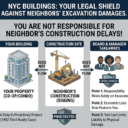
When the Neighbor Builds: What Condo and Co-Op Boards Need to Know

June 29, 2026

Construction in New York City is a fact of life, but when a...

Succession Rights in Limited-Equity Co-ops: Practical Lessons from Mutual Redevelopment Houses v. Manyevitch

June 12, 2026

Succession disputes are among the most sensitive and...

The Post-Settlement Trap: What Fiondella Teaches Co-op Boards About Stipulations and Continuing Habitability Claims

June 9, 2026

For New York cooperative boards and managing agents,...

The Derivative Action Threat: Why “Limited Common Elements” Present Litigation Risks for Condominium Boards and Managers

May 16, 2026

A recent decision by the Appellate Division, First...

Governance and Rule-Making in the Modern Condominium

April 27, 2026

Reflections on 10MSW17D LLC v. Bd. of Managers of 10...

Don’t Delay: Why Timely Enforcement of Common Charges is Critical for Condo Boards

April 15, 2026

A recent decision from the Supreme Court of New York,...

RPAPL § 881 Licenses, and Why Fee Reimbursement Is a Core Deal Term

April 13, 2026

Boards and managers of condominiums, cooperatives, and...

The 432 Park Decision: A Masterclass in Risk Management for New York Condo Boards

April 2, 2026

New York condominium boards and management companies operate...

Protecting Your Building’s Integrity: Lessons from Board of Mgrs. of the 80th at Madison Condominium v. 1055 Madison Ave. Owners LLC

March 31, 2026

As a condominium board member or property manager, your...

Press Enter to search · Esc to close