
• Home
  • About us
  • Capabilities
    • Condo, Coop, HOA Counsel
    • Litigation
    • Business Law
    • Technology
    • Real Estate
    • Employment Law
    • Tax Audits
    • Family Law
  • Insights
  • References
  • FAQ
  • Inquiry
    • Payment
Colbert LawColbert Law
  • Home
  • About us
  • Capabilities
    • Condo, Coop, HOA Counsel
    • Litigation
    • Business Law
    • Technology
    • Real Estate
    • Employment Law
    • Tax Audits
    • Family Law
  • Insights
  • References
  • FAQ
  • Inquiry
    • Payment

Litigation

Home Litigation (Page 5)
Migrant “Land Invasion” – Squatting – What to do?

Migrant “Land Invasion” – Squatting – What to do?

Recent reports about social media trends encouraging individuals to exploit “squatter’s rights” laws are raising concerns for property owners. It’s crucial to understand this complex issue and proactive steps landlords and associations can take.

The reason is a legal loophole that gives would-be trespassers the right to stay in possession if they only stay in a property long enough to claim legal residency — otherwise known as “squatter’s rights.” In New York City, it’s only 30 days of living at a property.

So a homeless migrant just has to stay below the radar for 30 days and then the property owner has to take them to Court to have them legally removed. The process can be complicated and takes a long time. Unlike a known tenant, the squatters are anonymous in most cases and have to be served and then usually they won’t show up in Court. After multiple adjournments which the Courts routinely afford tenants who don’t appear, a property owner will get a default judgment of possession and eviction. Then, a lockout by a marshal has to be scheduled and occur. If the squatter shows up in Court and argues against the eviction, they might be able to steer the proceeding to a trial which adds time to the process. It is extremely frustrating to property owners and now influencers are trying to rally migrants to find abandoned property and squat to take advantage of our system which protects people who trespass and take possession of the property of others.

Proactive Steps for Property Owners

  • Regular Monitoring: Frequent inspections of vacant properties help identify potential squatters early, before they establish strong legal claims. With all the news around this issue, if you have a property, get to it quickly now and make sure you aren’t already a victim of squatting.
  • Secure the Property: Board up windows, keep utilities disconnected, install alarms, and maintain overall good condition to deter squatting.
  • Documentation: Meticulous records of ownership, property upkeep, and lack of permission for occupancy strengthen your legal case.
  • Time is of the Essence: The moment you suspect a squatter, consult with an attorney specializing in landlord-tenant law. Delays work in the squatter’s favor.

Challenges for Condos & HOAs

In the condominiums and homeowners associations that we represent, squatting happens to owners and because the association doesn’t own the property, it is difficult to address the squatting. Coops are a different form of ownership where the coop owns the building, so it can take action as the owner against squatters. There are tactics that experienced counsel can take for the boards.

What Condo & HOA Management and Owners Can Do:

  1. Check Governing Documents:
  • Bylaws/Rules: Look for provisions on unit owner responsibilities for vacant units, security measures, or authority granted to the board in exceptional circumstances.
  • Lien Authority: Investigate if the association has a lien for unpaid assessments that could form the basis for a foreclosure action, which might indirectly resolve a squatting issue.
  • Consider amending the governing documents to give the association more rights in these squatting situations.
  1. Support the Owner:
  • Notify & Advise: Alert the unit owner immediately and advise them to seek urgent legal counsel specializing in eviction proceedings.
  • Enforce HOA Rules: If the squatter is causing disturbances violating HOA rules, fines or other sanctions against the unit owner may add pressure to act.
  • Security: Consider enhancing association-wide security to deter squatting.
  • Bring a Nuisance Injunction Action: The association usually has authority to bring lawsuits to abate nuisance conditions or rule violations. If so, the association may be able to commence suit to stop nuisances or violations by the squatters which may pressure them to leave.
Condo Boards and Managers Beware: Ignoring Complaints of Rule Violations Lands You in Court

Condo Boards and Managers Beware: Ignoring Complaints of Rule Violations Lands You in Court

A brand new Appellate Court decision underscores condo boards’ duty to act in good faith when residents report violations of building rules and regulations. In the case of Bacharach v. Board of Managers of the Brooks-Van Horn Condominium, the board faced legal action after years of alleged inaction regarding excessive noise complaints. The New York Court which oversees the trial courts in Manhattan and the Bronx, refused to dismiss the case against the board and clarified that property managers and condo boards cannot merely leave it to owners to address their own owner-to-owner complaints and the board has to act in good faith when receiving a complaint that an owner if violating the rules.

Case Summary

  • Residents complained about unreasonable noise from a neighboring unit due to unapproved flooring installation.
  • Despite repeated requests over several years, the board didn’t adequately investigate or enforce the Condo’s noise rules.
  • Frustrated residents sued the board for breach of duty and sought an injunction to address the noise issue.

Court Ruling

  • The court denied the board’s motion to dismiss, determining:
    • The Condo’s bylaws are ambiguous as to whether the board has discretion to refrain from acting upon complaints of rule violations.
    • The board’s inaction may not be covered by the well-established business judgment rule, which requires actions in good faith for the benefit of the community.
    • “The alleged multiyear gap between plaintiffs’ first complaint and the board’s first action in response to the complaints suggests that the board may not have acted in good faith.”

Takeaways for Condo Boards & Property Managers

  1. “Discretion” Doesn’t Mean Inaction: While boards have flexibility in enforcement, ignoring legitimate complaints can be seen as a breach of duty.
  2. Document Clarity Matters: Review your bylaws and rules to ensure they clearly define the board’s authority and enforcement responsibilities.
  3. Good Faith Response Is KEY: Taking complaints seriously, even if your ultimate ruling favors the accused party, shows you’re fulfilling your role.
  4. Timely Action Builds Trust: Promptly addressing potential violations can prevent issues from escalating and damaging resident relations.

Proactive Steps

  • Establish and Follow Complaint Procedures: Have a clear process for documenting, investigating, and responding to complaints.
  • Regular Bylaw Review: Ensure your rules remain enforceable and fair.
  • Seek Legal Guidance Early: Advice from an attorney specializing in condo law can help you navigate complex disputes.

Here is the decision.

How Strong Is Your Liability Shield? Understanding Bylaws & Board Actions

How Strong Is Your Liability Shield? Understanding Bylaws & Board Actions

Could your condo bylaws save you from a costly lawsuit? A recent Brooklyn court decision highlights the critical role bylaws play when unit owners and their Board of Managers clash.

Case Background

  • Plaintiffs (unit owners) alleged negligence by the Condominium Board and individual members in addressing water damage within their unit.
  • The Board argued that the condo’s bylaws provide personal liability protection to board members.

Key Legal Principles

  • Business Judgment Rule: Courts generally defer to condo board decisions made within their authority and in good faith. Plaintiff must demonstrate fraud or self-dealing to overcome this protection.
  • Condominium Bylaws: These form a contract between the board and unit owners. Bylaws often include provisions specifically limiting individual liability of board members for actions taken in their official capacity.

Court’s Ruling

  • Negligence claims against individual board members were dismissed due to protections under the condominium bylaws.
  • Board-level claims (breach of duty, negligence) remain pending.
  • Additional rulings denied summary judgment for both sides, highlighting the factual issues still in dispute.

Takeaways for Boards & Property Managers

  1. Bylaws as Safeguards: Well-drafted bylaws offer substantial protection in lawsuits alleging negligence or breach of duty, provided board members acted within their authority and in good faith. Periodic review of bylaws is essential.
  2. Fiduciary Responsibility: The board still maintains a duty of care towards the condominium property and unit owners. Neglect or willful disregard of this duty may expose the board as a whole to liability.
  3. Proactive Maintenance: Address potential issues (e.g., water leaks) promptly to minimize damage and mitigate the risk of disputes escalating to legal action.
  4. Thorough Documentation: Maintain meticulous records of board actions, maintenance, and owner communications. This serves as evidence of responsible decision-making.
  5. Discovery Compliance: Non-compliance with discovery procedures can hinder your defense. Understand the obligations from counsel regarding the preservation and sharing of case-relevant information.

Here is the decision (Szymczyk v. Board of Managers of 363 16th Street Condominium).

New York Class Action Settlement Impacts Foreclosure Proceedings: What Condo and HOA Boards and Management Need to Know

New York Class Action Settlement Impacts Foreclosure Proceedings: What Condo and HOA Boards and Management Need to Know

A recent class-action settlement addressing foreclosure procedures in New York State has significant implications for condominium and homeowners’ associations (HOAs) that have owners in arrears. The law involved only applies to foreclosures of home loans, and not condo and HOA foreclosure of common charge liens and experienced counsel need to make this clear at the initial filing of the foreclosure action or risk having the action dragged into a mandatory court process where owners could be appointed legal counsel and the action delayed.

Where condos and HOA boards took a back seat to lender foreclosure actions, simply appearing in the actions and waiting for lenders to prosecute the action, condo and HOA boards may better off starting their own foreclosure action which should not be covered by this delayed process that lenders will have to go through. This will avoid delays and the extension of the owners not paying their common charges and speed up recovery by the condos and HOAs.

The Settlement Background

  • New York courts were routinely bypassing a mandatory process in residential foreclosure cases of home loans by lenders – assessing whether a homeowner qualifies for appointed legal counsel.
  • This violation of state law prompted a class-action lawsuit, which the courts recently settled.
  • The settlement could lead to “do-overs” for thousands of foreclosure cases by lenders, potentially delaying proceedings by lenders. Condos and HOAs have to make sure to argue against getting dragged into this delayed process which could substantially delay lender foreclosures.
  •  While NY Civil Procedure Laws & Rules § 3408, which is the law at issue, applies specifically to foreclosures of home loans, this settlement may embolden judges to favor homeowner rights in all foreclosure contexts and condos and HOAs must have experienced counsel argue against such a result for them.

What Condo/HOA Boards and Management Can Do

  • Consult Your Attorney: Discuss whether the settlement could impact your ongoing or planned foreclosure actions. Consider any proactive or preventive measures.
  • Stay Informed: Keep up-to-date on any evolving case law or procedural changes in New York related to homeowner rights in foreclosure.

This settlement underscores the complexities of foreclosure law and the evolving focus on protecting homeowners. Condos and HOAs Condo and HOA boards and management must have experienced counsel fighting for them and must be vigilant in understanding their legal rights and prepared to navigate an increasingly challenging environment.

How to Protect Your Company’s Confidential Information: Insights from Quest Partners LLC Case

How to Protect Your Company’s Confidential Information: Insights from Quest Partners LLC Case

A new Supreme Court, New York County case highlights the challenges companies face regarding intellectual property protection, Quest Partners LLC sued former member and director of research Brian Brugman. Quest alleged Brugman misappropriated and misused trade secrets and confidential information.

The court’s decision by Justice Lebovits (65514/2023), offers insights into how organizations can safeguard against similar scenarios.

Case Summary

  • Brugman was accused of using Quest’s proprietary trading strategies after leaving the company to create his own hedge fund.
  • The court dismissed several of Quest’s legal claims, including misappropriation of trade secrets, breach of fiduciary duty, unfair competition, and conversion. These were deemed duplicative of the breach of contract claim.
  • The court did, however, uphold Quest’s breach of contract claim.

Key Takeaways

  • Detailed Agreements are Essential: Organizations must have well-defined contracts that clearly stipulate obligations regarding trade secrets, confidential information, and non-compete clauses.
  • Specificity Matters in Trade Secret Protection: It’s not enough to generally label information as proprietary. Organizations need to precisely outline the specific trade secrets being protected. This helps strengthen legal cases.
  • Actions Outside of Contracts: Even with contracts, former employees might use acquired knowledge in ways that don’t directly violate agreements. Organizations should be aware of this risk and proactively monitor for potential misuse.

What Organizations Can Do

  • Robust Non-Disclosure Agreements (NDAs): NDAs with departing employees should specifically address trade secret usage and non-competition periods.
  • Trade Secret Inventories: Maintain detailed records of trade secrets, including their nature, how they’re used, and access control.
  • Monitoring and Surveillance: Be vigilant in tracking the activities of former employees and competitors. Watch for any suspicious resemblance to company strategies or product developments.

The case underscores the importance for companies to prioritize protecting trade secrets and confidential information. Strong contracts, clear definitions of proprietary data, and proactive monitoring strategies are crucial for minimizing the risks posed by departing employees.

Hoarding in Condominiums: When Individual Rights Clash with Community Concerns

Hoarding in Condominiums: When Individual Rights Clash with Community Concerns

The recent case of Board of Managers of the 48-54 West 138th Street Condominium v. Flora Burdock highlights the complexities that arise when an individual unit owner’s behavior impacts the health, safety, and well-being of a condominium community. In this case, the condominium board sought legal intervention to address a severe hoarding situation within Ms. Burdock’s apartment.

The Case at a Glance

The plaintiff, the condominium’s board of managers, alleged that the defendant, Ms. Burdock, had created a hoarding situation so severe that it posed safety risks and generated complaints from other residents. The board presented evidence of potential fire hazards, health code violations, and unpleasant odors emanating from the unit. After repeated attempts to work with Ms. Burdock failed, the board sought and received a court order compelling the defendant to grant access for cleanup.

Key Takeaways for Condominium Boards and Residents

This case underscores several important points:

  • Condominium Bylaws: Condominium governing documents often contain provisions that give the board authority to enforce rules and regulations designed to protect residents’ safety and preserve the value of the property. These bylaws likely include clauses about maintaining units and common areas in a sanitary and safe condition.
  • The Power of Legal Intervention: When communication and attempts at resolution fail, condominium boards have the right to pursue legal action to address problems like severe hoarding. Courts can intervene to protect the interests of the larger community.
  • Balancing Rights: While individual residents have ownership rights, these rights must be balanced against the collective rights and well-being of the community. Creating unsafe conditions or significant disturbances violates the rights of other owners to reasonably enjoy their homes.

Preventive Measures

Ideally, issues like hoarding should be addressed before they escalate and require legal action. Proactive measures by condominium boards can include:

  • Clear Policies: Establish clear rules and regulations regarding sanitation, noise, and the proper use of units and common areas.
  • Early Intervention: Address potential problems early by communicating with residents showing signs of difficulty in maintaining their units. Offer support resources if needed.
  • Education and Awareness: Provide residents with information on fire safety and the potential consequences of behavior that could endanger others or create unsanitary conditions.

The Importance of Legal Counsel

Addressing complex issues such as hoarding necessitates careful analysis and the guidance of an experienced attorney. Navigating the legal nuances is essential to ensure compliance with housing laws, protect the rights of all parties, and achieve outcomes that benefit the entire condominium community.

Read the Court’s decision awarding a reimbursement of legal fees, but declining other relief sought by the condo in order to prevent future occurrences.

New Legislation Extends New York Statute of Limitations for Workplace Discrimination Claims to Three Years

New Legislation Extends New York Statute of Limitations for Workplace Discrimination Claims to Three Years

Last week marked a significant development in the legal landscape affecting workplace discrimination claims in New York. The statute of limitations for filing complaints has been extended from one year to three years, providing employees with a more extended timeframe to seek justice for alleged discriminatory practices. This change necessitates a heightened awareness among employers, who must be proactive in safeguarding their interests and adapting to the evolving legal framework.

Protected Categories Under New York State Human Rights Law:

The New York State Human Rights Law enumerates various protected categories against workplace discrimination. These include, but are not limited to, age, race, creed, color, national origin, sexual orientation, military status, sex, marital status, and disability. Employers must ensure compliance with these provisions and foster an inclusive work environment that respects the rights of individuals belonging to these categories.

Record-Keeping and Liability:

In light of the extended statute of limitations, maintaining meticulous records becomes paramount for employers. The potential need to defend against claims that may arise up to three years after an alleged incident underscores the importance of comprehensive documentation. The Human Rights Law not only holds organizations liable but also extends potential liability to individuals who own the organization, exercise control over personnel decisions, or engage in conduct that aids and abets discrimination.

Individual Liability and Organizational Responsibility:

Employers need to recognize that the repercussions of workplace discrimination can extend beyond the organizational level. Individuals in positions of authority may find themselves personally accountable for discriminatory actions. Therefore, a thorough understanding of the legal responsibilities tied to personnel decisions and a commitment to fostering a discrimination-free workplace are crucial.

Impact on Employment Practices Liabilities Insurance (EPLI):

With the increased statute of limitations, employers should anticipate potential shifts in the cost of Employment Practices Liabilities Insurance (EPLI). Insurance carriers may adjust premiums to account for the extended risk exposure. It becomes imperative for businesses to reassess their insurance coverage and work closely with carriers to ensure adequate protection against the evolving legal landscape.

Takeways

The recent extension of the statute of limitations for workplace discrimination claims in New York demands heightened diligence from employers. Adhering to the New York State Human Rights Law, implementing robust record-keeping practices, and understanding the potential for individual liability are essential steps in mitigating risks. As businesses adapt to these changes, a proactive approach to legal compliance will be instrumental in fostering a workplace culture that values diversity and inclusion.

Threat of Litigation Not a Good Idea when it comes to Housing Discrimination Complaints

Threat of Litigation Not a Good Idea when it comes to Housing Discrimination Complaints

New York’s highest court decided that the threat of litigation may support a retaliation claim under the New York State Human Rights Law. The Human Rights Law prohibits retaliation against those who make discrimination complaints or engage in other protected activity. The New York Court of Appeals definitively decided that the threat of litigation itself may constitute the requisite adverse action under the Human Rights Law to support a retaliation claim.

City Vision, a not-for-profit corporation whcih tests whether housing facilities engage in discrimination by having their people pose as prospective tenants, found discrimination by an apartment complex Clifton Park Apartments, LLC based on a prospective tenant’s familial status. The prospective tenant who had children living with her, was steered to a different apartment complex when they learned that the children would be residents.

The Court of Appeals in remitting the case for further proceedings, clarified that a threat of litigation in a letter may be enough to consitute retaliation under the Human Rights Law. A threat of litigation could dissuade someone from bringing the original discrimination charge.

Read the decision.

Negotiating with Precision: Navigating the Legal Pitfalls of Informal Communications in Settlements

Negotiating with Precision: Navigating the Legal Pitfalls of Informal Communications in Settlements

When it comes to negotiating a settlement, it’s important to choose your words carefully. Emails, texts, and other forms of communication can end up being legally binding, even if you haven’t signed a formal agreement. In a recent case, Elysium Health v. ChromoaDex, No. 22-cv-1059 (Lead), 22-cv-1153 (2d Cir. Oct. 26, 2023), the plaintiff learned this lesson the hard way. By saying “we can accept the additional terms you proposed” and “I understand that now that we have an agreement you will begin work on documentation” in an email, they inadvertently bound themselves to an agreement that wasn’t yet formalized in writing. So, be cautious with your words and make sure you fully understand the implications of what you’re agreeing to, even in informal communications.

Coop, Condo and HOA Boards should get Advice on Insurance Coverage When Sued

Coop, Condo and HOA Boards should get Advice on Insurance Coverage When Sued

Coop, Condo, and HOA boards and their management should pay close attention to insurance coverage when faced with lawsuits. It’s not always a guarantee that insurance will cover all damages. A recent case ( E. S. et al – v. – Windsor Owners Corp. et al; NY Sup Ct, NY Co., Index No. 159133/2017) found a coop liable for lead poisoning in an infant resident, and the case is now entering the damage phase. This is a stark reminder that having general counsel advise on legal matters early on can make all the difference. Don’t wait until it’s too late. Here is a link to the court decision (https://www.nycourts.gov/reporter/pdfs/2022/2022_34688.pdf) which was just upheld on appeal.

  • 1
  • 2
  • …
  • 4
  • 5
  • 6
  • …
  • 13
  • 14

Recent Attorney Publications

  • When Contractors Lack Licenses: Key Lessons for Condos, Co-ops, and HOAs July 25, 2026
  • When Bankruptcy Won’t Stop Your Foreclosure Sale: What Condo Boards and Management Need to Know About Repeat Filers July 22, 2026
  • When Repetitive Filings Cross the Line: Lessons from Fulton v. Yameogo July 21, 2026
  • Condominium Boards: Why Being Aware of First Mortgage “Standing” Can Protect Your Community’s Bottom Line July 13, 2026
  • Winning the Common Charge Battle: How Condo Boards Prevail Against Defiant Unit Owners July 2, 2026

Contact Us

Send us a note and we'll get back to you promptly.

OFFICES

  • Manhattan Office
  • 315 Madison Avenue, Suite 4032, New York, New York 10017
  • 646.880.3000
  • 646.880.3048
  • Westchester Office
  • 44 South Broadway, 21st Floor, White Plains, New York 10601
  • 646.880.3000
  • 646.880.3048
  • Connecticut Office
  • 55 Post Road W, 2nd Floor, Westport, Connecticut 06880
  • 203.349.8100
  • 646.880.3048

Latest Publications

  • When Contractors Lack Licenses: Key Lessons for Condos, Co-ops, and HOAs July 25, 2026
  • When Bankruptcy Won’t Stop Your Foreclosure Sale: What Condo Boards and Management Need to Know About Repeat Filers July 22, 2026
  • When Repetitive Filings Cross the Line: Lessons from Fulton v. Yameogo July 21, 2026
  • Condominium Boards: Why Being Aware of First Mortgage “Standing” Can Protect Your Community’s Bottom Line July 13, 2026

© 2026 Colbert Law LLC Attorney Advertising. Prior results do not guarantee a similar outcome.

Highend Logo

Manhattan Office

  • 315 Madison Avenue, Suite 4032, New York, New York 10017
  • 646.880.3000
  • 646.880.3048

Westchester Office

  • 44 South Broadway, 21st Floor, White Plains, New York 10601
  • 646.880.3000
  • 646.880.3048

Connecticut Office

  • 55 Post Road W, 2nd Floor, Westport, Connecticut 06880
  • 203.349.8100
  • 646.880.3048

OUR EXPERTISE

When Contractors Lack Licenses: Key Lessons for Condos, Co-ops, and HOAs

July 25, 2026

A recent NYC Civil Court decision (Fortes v. Decorating and...

When Bankruptcy Won’t Stop Your Foreclosure Sale: What Condo Boards and Management Need to Know About Repeat Filers

July 22, 2026

For condominium boards foreclosing on unpaid common charges,...

When Repetitive Filings Cross the Line: Lessons from Fulton v. Yameogo

July 21, 2026

Community association boards—whether governing condos,...

Condominium Boards: Why Being Aware of First Mortgage “Standing” Can Protect Your Community’s Bottom Line

July 13, 2026

When a condominium unit owner defaults on their monthly...

Winning the Common Charge Battle: How Condo Boards Prevail Against Defiant Unit Owners

July 2, 2026

Condominium boards and property managers face a unique,...

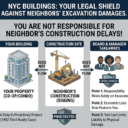
When the Neighbor Builds: What Condo and Co-Op Boards Need to Know

June 29, 2026

Construction in New York City is a fact of life, but when a...

Succession Rights in Limited-Equity Co-ops: Practical Lessons from Mutual Redevelopment Houses v. Manyevitch

June 12, 2026

Succession disputes are among the most sensitive and...

The Post-Settlement Trap: What Fiondella Teaches Co-op Boards About Stipulations and Continuing Habitability Claims

June 9, 2026

For New York cooperative boards and managing agents,...

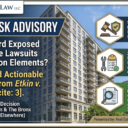
The Derivative Action Threat: Why “Limited Common Elements” Present Litigation Risks for Condominium Boards and Managers

May 16, 2026

A recent decision by the Appellate Division, First...

Governance and Rule-Making in the Modern Condominium

April 27, 2026

Reflections on 10MSW17D LLC v. Bd. of Managers of 10...

Don’t Delay: Why Timely Enforcement of Common Charges is Critical for Condo Boards

April 15, 2026

A recent decision from the Supreme Court of New York,...

RPAPL § 881 Licenses, and Why Fee Reimbursement Is a Core Deal Term

April 13, 2026

Boards and managers of condominiums, cooperatives, and...

The 432 Park Decision: A Masterclass in Risk Management for New York Condo Boards

April 2, 2026

New York condominium boards and management companies operate...

Protecting Your Building’s Integrity: Lessons from Board of Mgrs. of the 80th at Madison Condominium v. 1055 Madison Ave. Owners LLC

March 31, 2026

As a condominium board member or property manager, your...

Press Enter to search · Esc to close